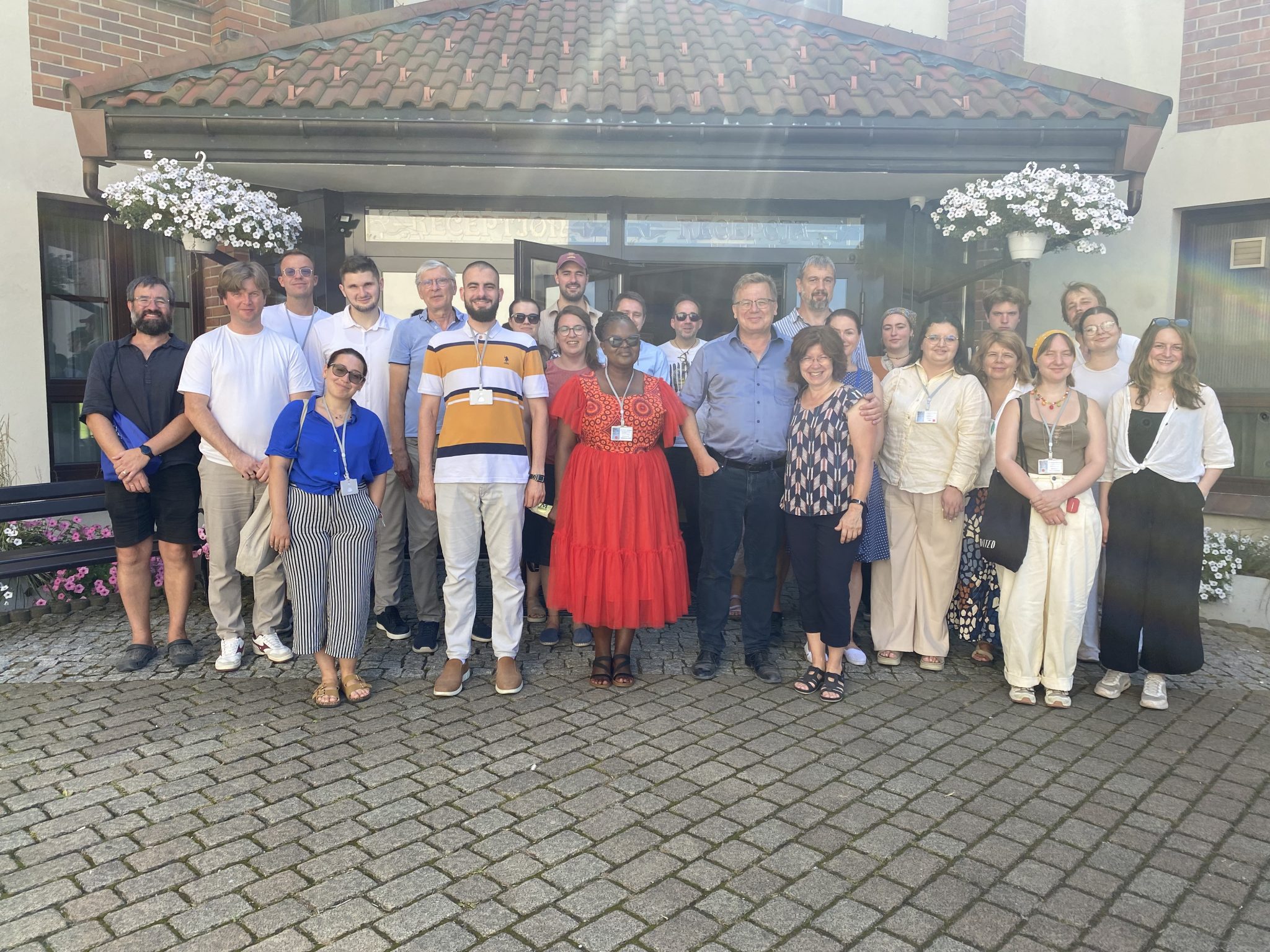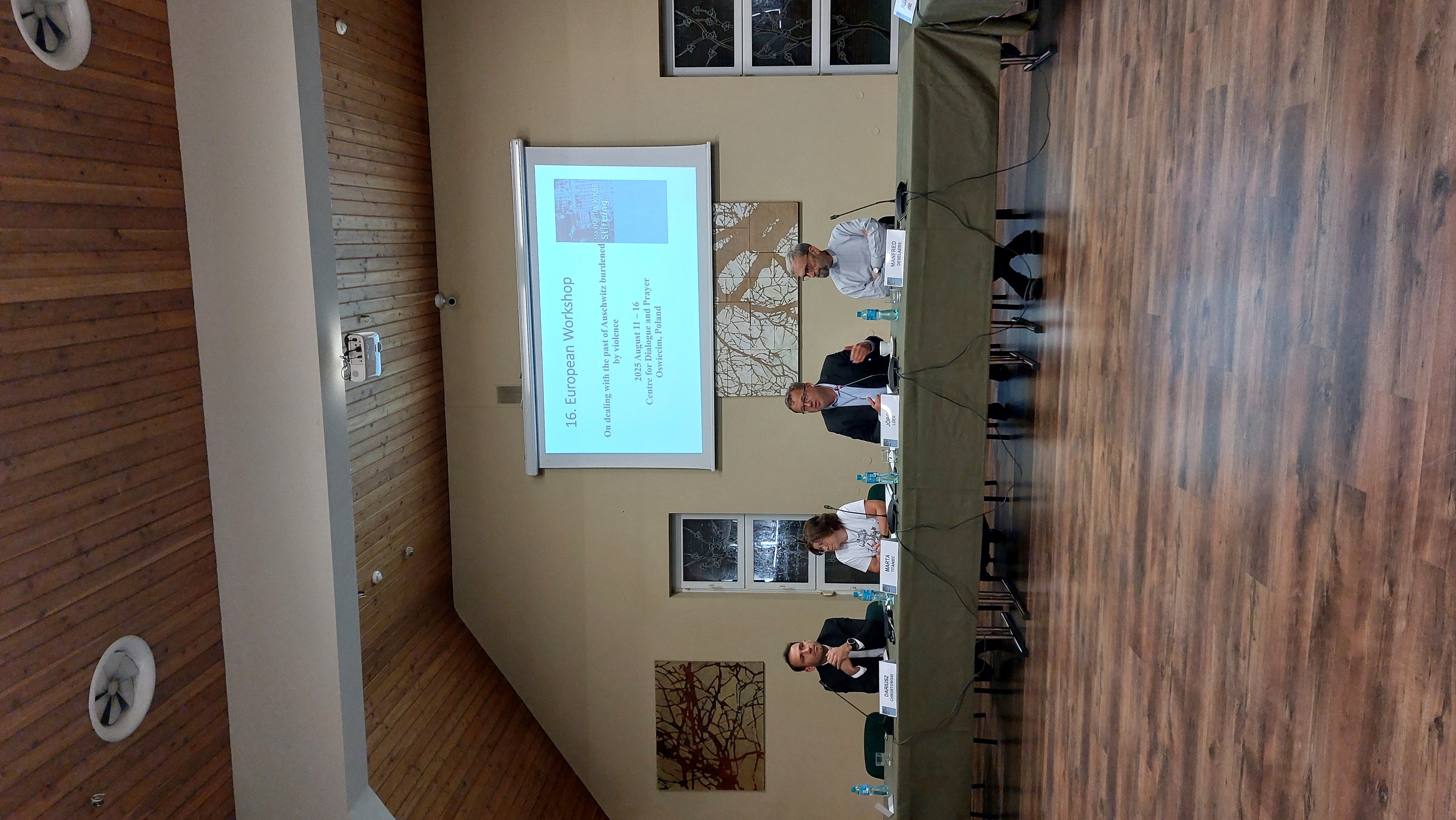
On August 11-16, 2025, the 16th seminar organized by the Maximilian Kolbe Foundation was held in Oświęcim (Poland), dedicated to exploring the history of the past century marked by violence and its consequences. Lithuania was represented at the seminar by Henrika Kryževičienė, communications coordinator at the Kaunas IX Fort Museum, and PhD Linas Venclauskas, historian, lecturer at Vytautas Magnus University, and employee of the Sugihara House Museum.
The seminar invited participants to constructively analyze history, striving to gain a deeper understanding of the various perspectives and interpretations related to the traumatic historical experience witnessed by Auschwitz. The aim was to make the differences in understanding history, based on different historical experiences and contexts, visible and understandable to each other and to themselves.
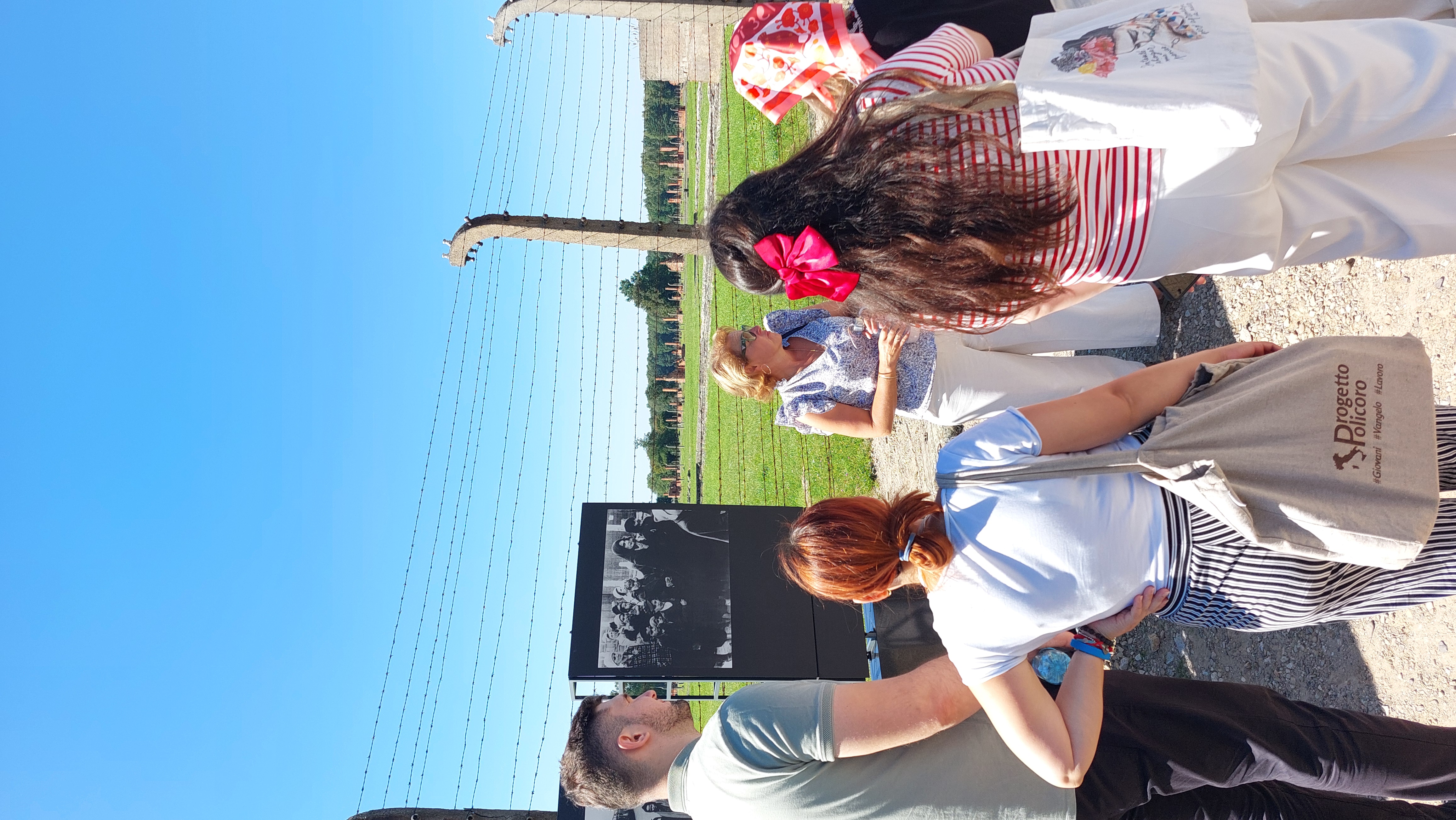
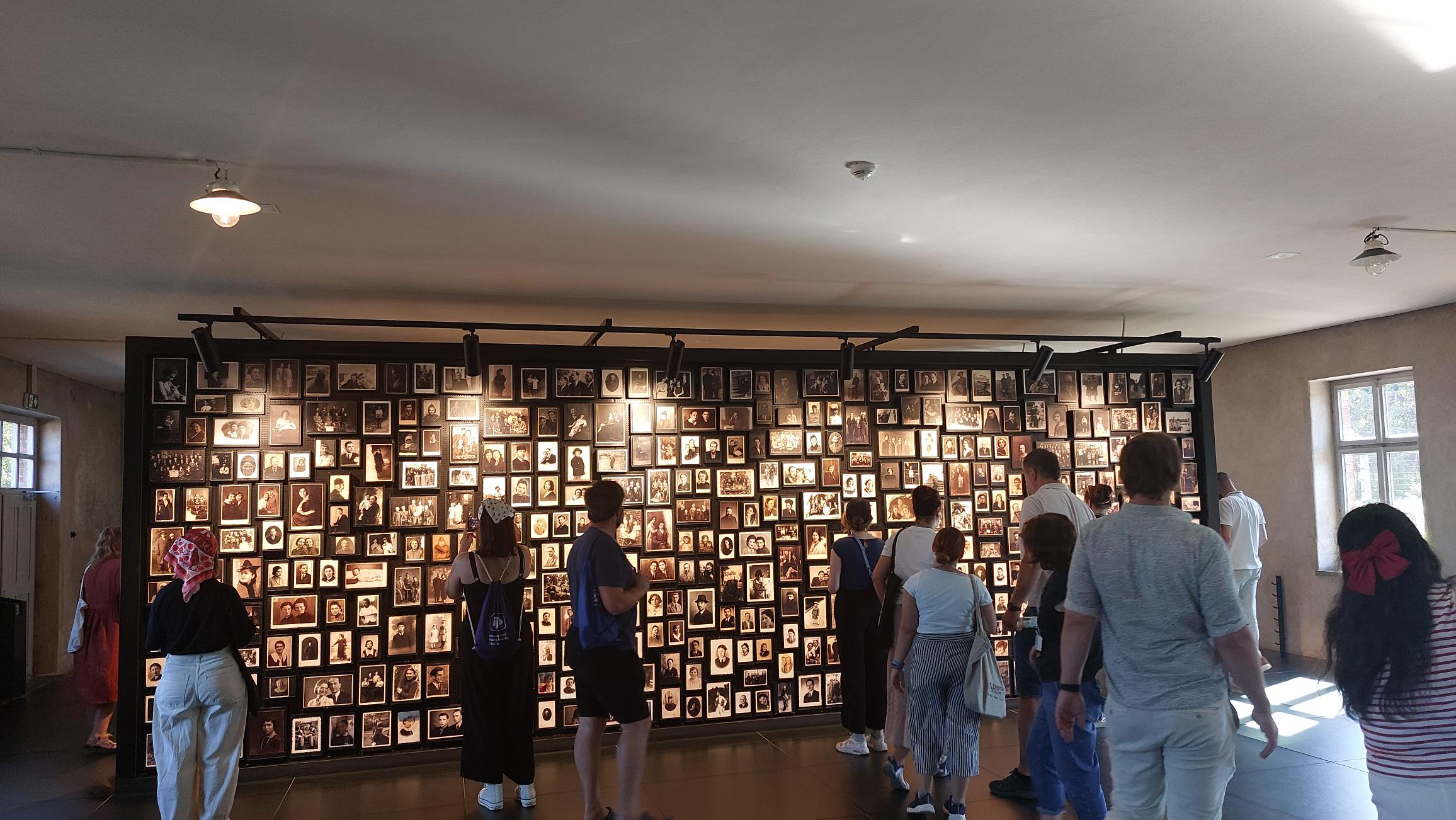
This year, the seminar brought together 25 participants from 13 countries, ready to delve into a complex but particularly important topic. Seminar participants took part in tours of Auschwitz and Auschwitz-Birkenau, where they learned more about the history of the place, everyday life in the concentration camp, and the fate of the victims.
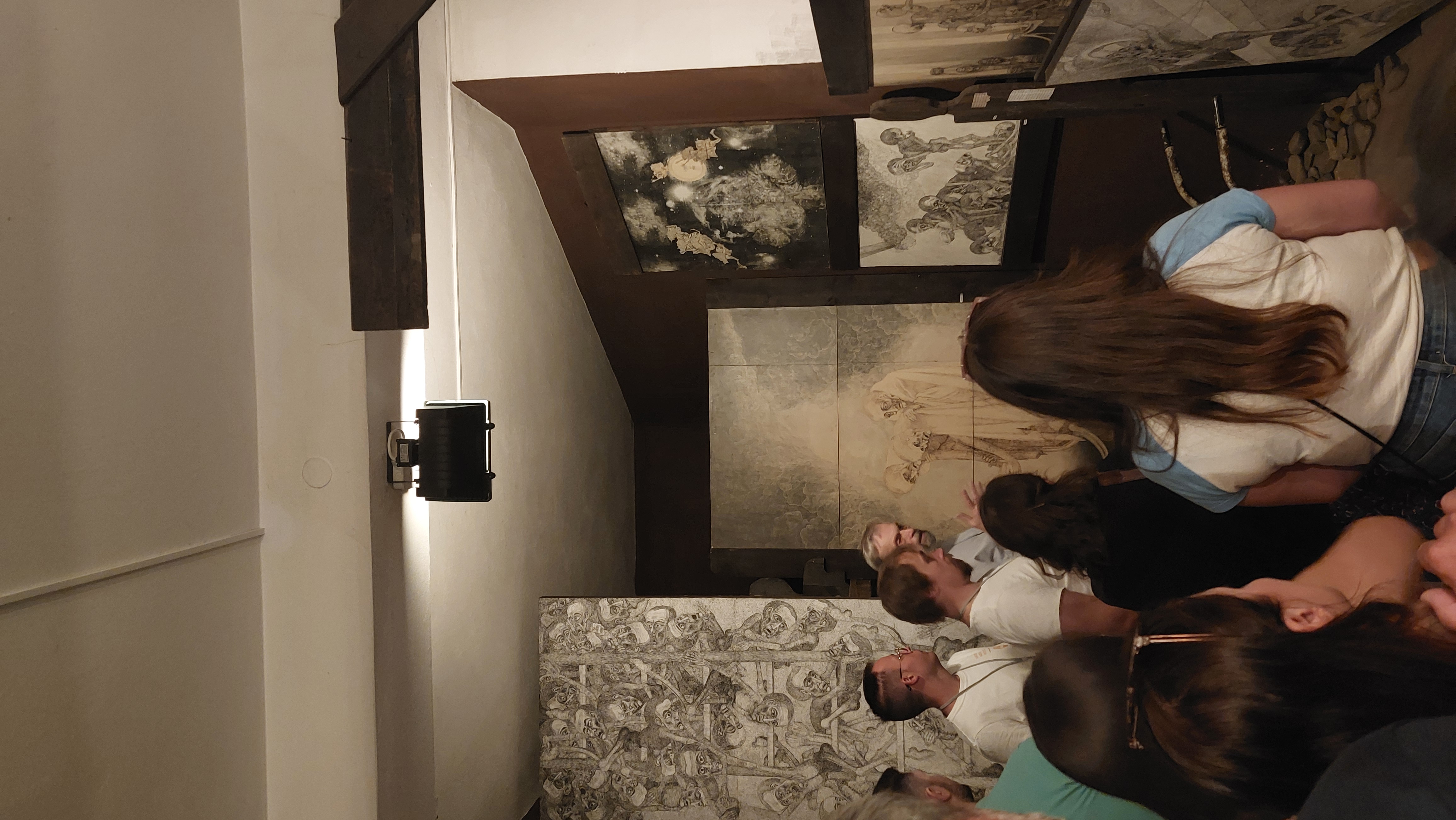
Meetings with Auschwitz survivors Zdzislawa Wlodarczyk and Grzegorz Tomaszewski, who were sent to Auschwitz as children, left a deep impression. The inner world of the survivors was vividly revealed in an exhibition by Marian Kolodziej, one of the first prisoners of Auschwitz.
On August 14, the seminar participants joined in a Mass commemorating the 84th anniversary of the death of Maximilian Kolbe. M. Kolbe was a Franciscan monk and priest of Polish origin. While in Auschwitz, he sacrificed himself in place of another prisoner who had been sentenced to death and was starved to death. Pope John Paul II declared M. Kolbe a saint in 1982.
The intense week ended with presentations by representatives from Poland, Ukraine, Germany, and Estonia, which encouraged participants to look at traumatic historical events in the context of today, and discussions on the themes of historical memory and reconciliation.
The seminar encouraged participants to listen to others and try to understand how different our wounds are. It also encouraged them to ask: what can I do in the face of evil?
Prepared by Henrika Kryževičienė
Communications Coordinator, Kaunas IX Fort Museum