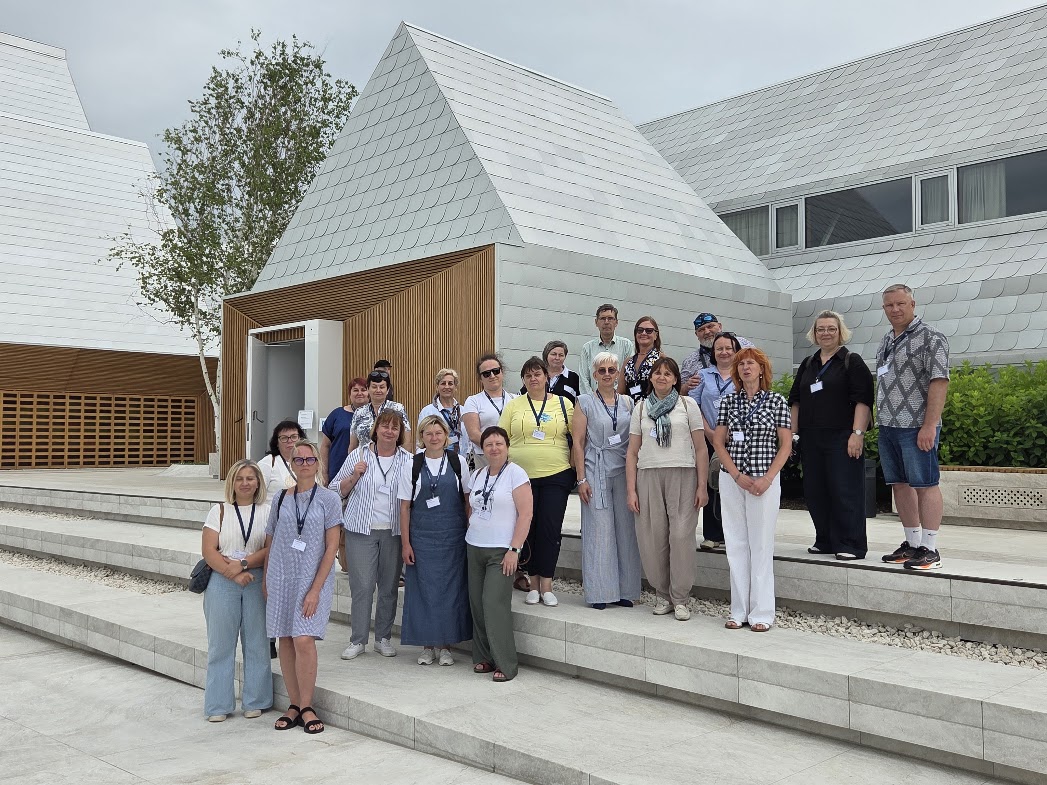
On July 1–2, a seminar titled “Historical Sites and Historical Memory” was held for the community of Tolerance Education Centers.
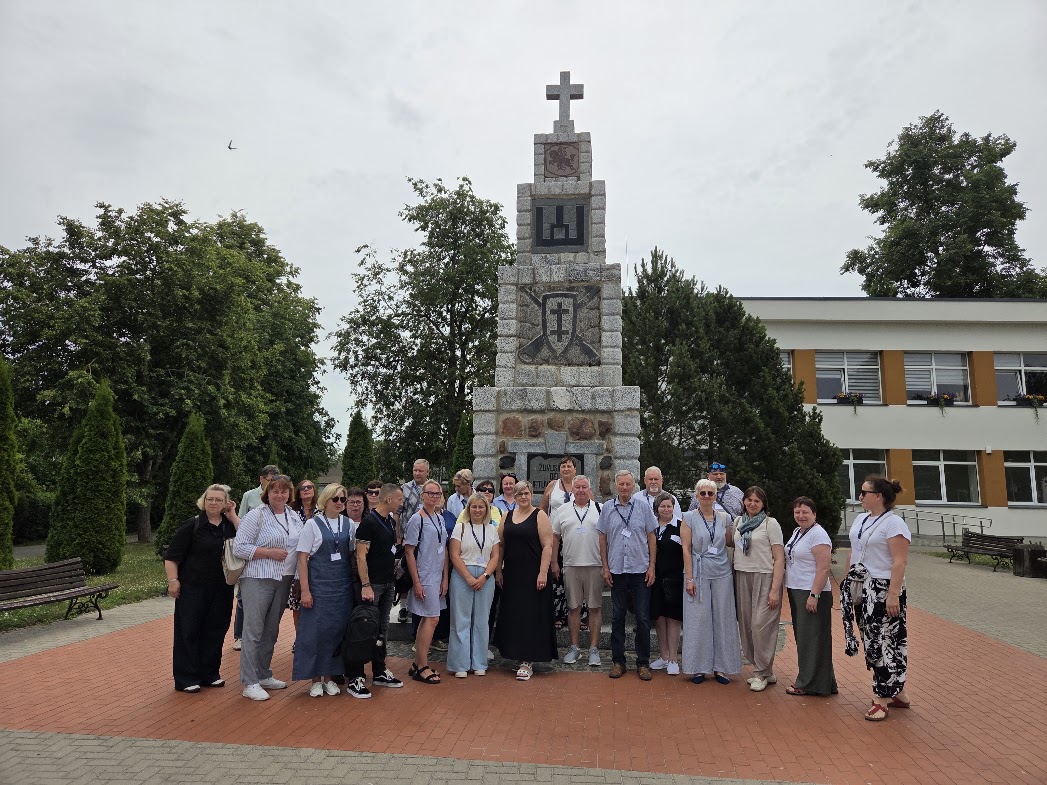
On July 1–2, 2026, an educational seminar was held, bringing together teachers and museum professionals from Tolerance Education Centers operating in Lithuania. This seminar has become a tradition, and its goal is to visit historic sites associated with the Nazi and Soviet occupations of Lithuania, thereby honoring the victims and expanding historical awareness. Since 2016, representatives of the Tolerance Education Centers have gathered in Ariogala every year—marking the eleventh time. On the first day, the educators visited the Baisogala Cultural Center, which houses a Tolerance Education Center. There, they learned about the center’s activities, visited the site where the Baisogala synagogue once stood before World War II, and learned about the history of the monument dedicated to those who died for Lithuania’s freedom. The monument was erected in 1928.
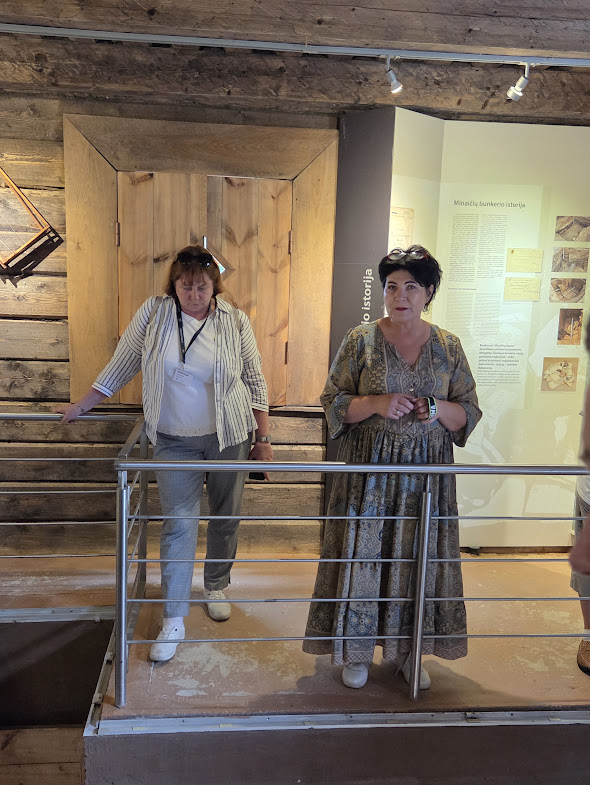
After visiting Baisogala, seminar participants toured the “Lost Shtetl” Museum in Šeduva, where they learned about the history of the town’s Jewish community, including life before the war and its destruction. For many teachers, this was their first visit to the recently opened museum. The first day concluded with a visit to the partisan bunker in Minaičiai, where the Lithuanian Freedom Fighters’ Movement signed the Declaration on February 16, 1949.
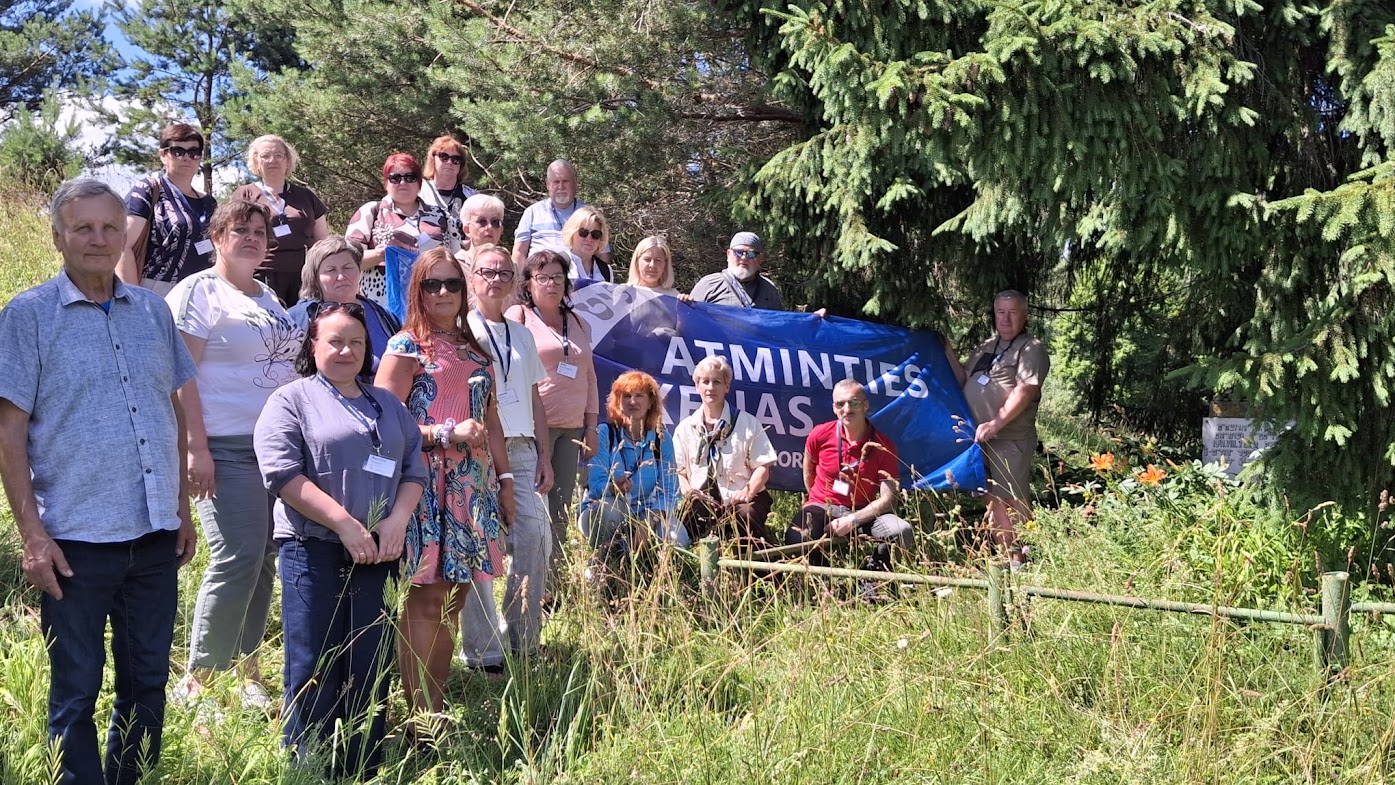
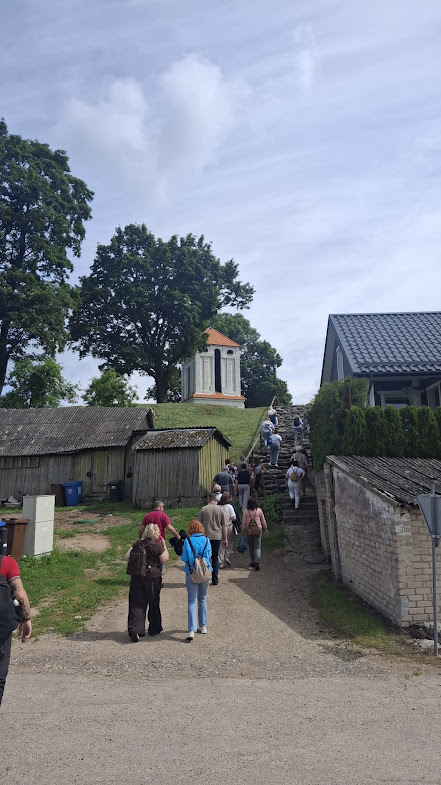
The second day, July 2, was devoted to visiting Kražiai. Seminar participants learned about the town’s long history, dating back to the time of King Mindaugas. With a guide from the Kražiai Museum, the educators walked through historical sites related to Catholicism, the Kražiai massacre at the end of the 19th century, and the history of the Jewish community that once lived there. The seminar participants also visited the Kražiai Museum, where they learned about the town of Kražiai, which was one of the most important centers of culture and education in Lithuania. Two prominent figures in Lithuanian culture—Motiejus Valančius and Motiejus Kazimieras Sarbievijus—worked at the Jesuit College in Kražiai. To conclude their tour of Kražiai, the group visited the Holocaust memorial site near the town, a reminder of the tragic history: in August 1941, 65 children and 6 adults (women and men)—a total of 71 people—were murdered at this location. Marching with the Memory Road flag along the road from the mound to the Holocaust memorial site, representatives of the Tolerance Education Centers reaffirmed that the topic of the Holocaust must not be forgotten in Lithuania and that historical memory must be preserved.
The educational seminar for the communities of the Tolerance Education Centers was organized by the Secretariat of the International Commission in cooperation with the Tolerance Education Center at Ariogala Gymnasium.